Fast, accurate order turnarounds is one of our top priorities.
Expert Customer Service
Our knowledgable staff is standing by to answer your questions
Huge Selection
Over 100,000 products from the top brands in wire and cable management.
Cable Management & Protection Tips & Resources
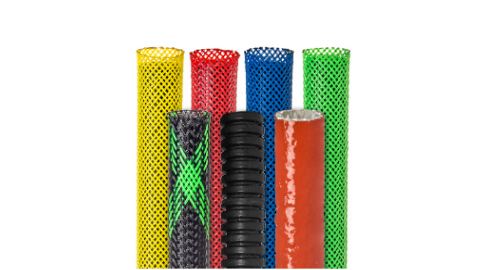
Cable Sleeving
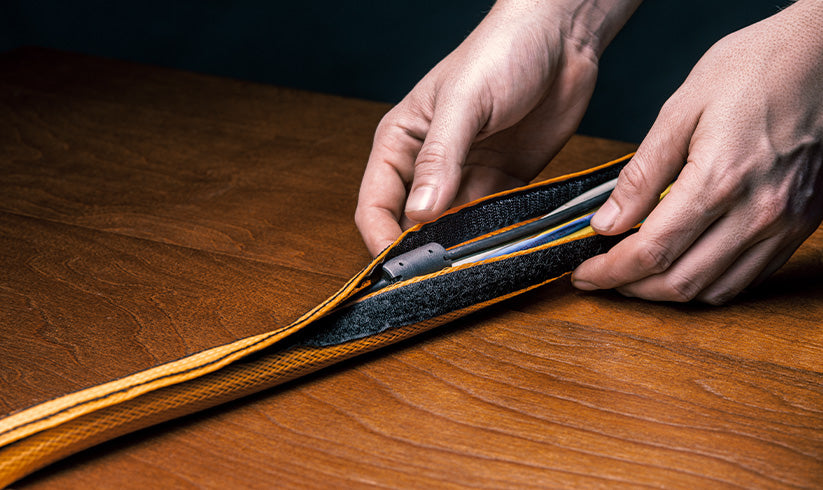
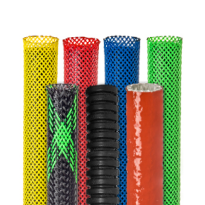
Cable sleeving is one of the most efficient (and stylish!) solutions for organizing and protecting cables and wires. We stock a wide variety of cable sleeving - from braided sleeving, to wire loom and conduit, to spiral wrap.
Braided sleeving by Techflex® is a particularly popular choice for versatile, full-coverage protection. From general purpose PET wrap for home cable management to specialized, heat-resistant fiberglass for automotive, military, and even aerospace, Techflex® has a braided sleeving solution for just about everything.
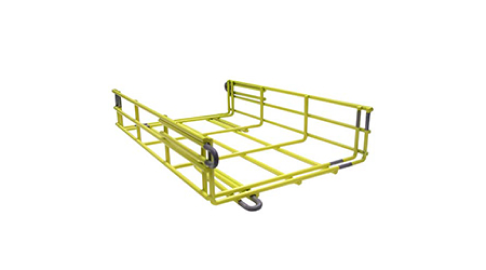
Cable Tray Systems
When you need to run high quantities of power or data cables overhead or underfloor, a cable tray system is the perfect solution. Known as baskets, trunking and cable ladders, cable tray systems route and provide support for long lengths of cables. Browse a variety of options from popular brands like Snake Tray® and WireRun™
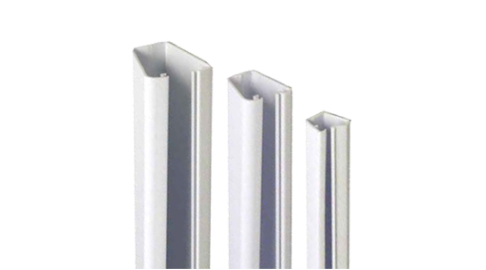
Cable Raceway
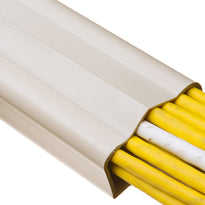
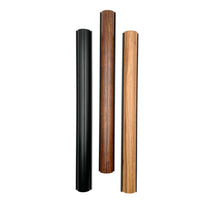
One of cable management's best kept secrets! Sleek and discrete, cable raceway is designed to protect, route, and conceal wires and cables. We offer a number of specialized varieties, including latching raceway, J channels raceway and sliding channel raceway from trusted brands like WireRun™ , Panduit® , and Wiremold
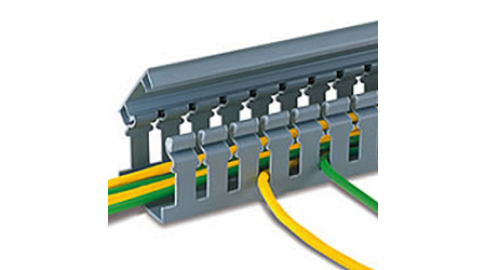
Wire Duct
A wire duct unit is, essentially, a durable wire trough that facilitates easy organization, pulling, and separation of cables. Wire duct is perfect for protecting sensitive electrical wiring from debris, dust and other external contaminants. We stock a comprehensive collection, from simple solid wall ducts by WireRun™ and to high capacity Versi-Duct® systems by Leviton® .
Heatshrink
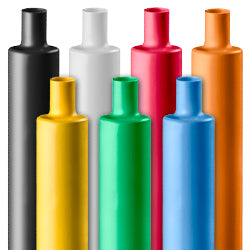
One of our most popular products, heatshrink is designed to contract under controlled application of heat from a heating agent like a heat gun. Once shrunk, the tubing will permanently hold its new form. It is typically used to provide sealing, termination, insulation, and/or strain relief for wires or cables. Check out 3M®'s incredible variety of colors, perfect for color coding or just adding some style to any network setup! For specialized options like high-frequency EMI shielding, browse our collection of Shrinkflex by Techflex® .
Cable Ties
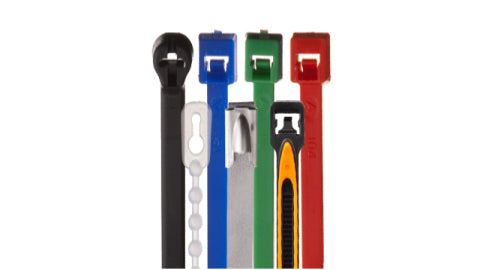
One of cable management's best kept secrets! Sleek and discrete, cable raceway is designed to protect, route, and conceal wires and cables. We offer a number of specialized varieties, including latching raceway, J channels raceway and sliding channel raceway from trusted brands like WireRun™ , Panduit® , and Wiremold® .
Hook & Loop Wraps & Fasteners
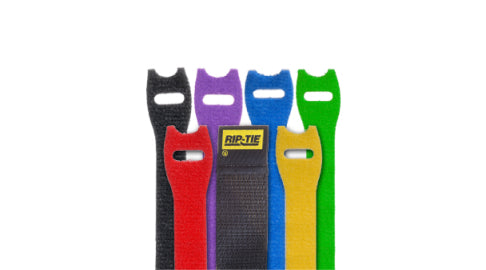
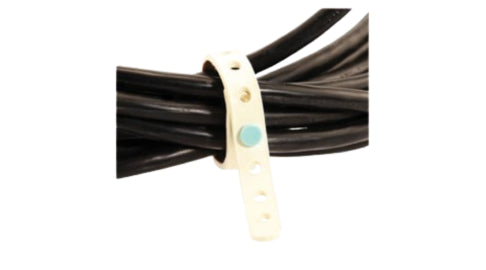
Reusable and adjustable, our hook-and-loop style wraps are a great solution for keeping wires, cords, and even hoses organized and secure. You may use VELCRO® as a catch-all for these types of fasteners, but nothing beats the classic brand itself - and we have tons of VELCRO® Brand wraps for you to choose from.
Wraps, Clips, & Clamps
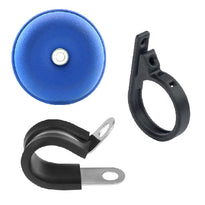
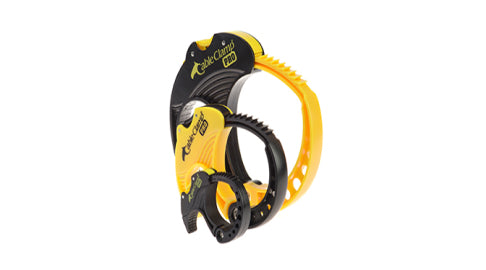
eep your wires and cables fastened with our collection of wraps, clips, hooks, bundlers, and clamps. We stock everything from simple wraps for managing headphone wires to professional electrical wire clamps for bundling and routing in tricky environments. Some of our favorite brand choices include sturdy Mag Daddy™ , stylish BlueL
Cable & Hose Carriers
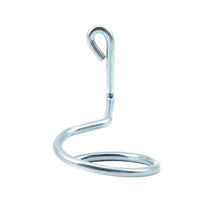
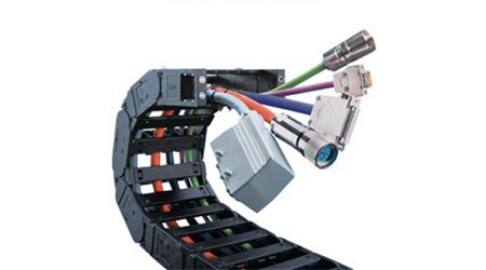
When building an entire cable tray system just isn't practical, opt for one of our more flexible cable support solutions. Loops, saddles, bridle rings (both bare metal and PVC coated) and J hooks - just to name a few - provide key support in the areas you need it most. Cable support solutions keep your wires and cables suspended in a simple, adjustable fashion. Arlington and "Cooper B-Line are two of our favorites!
Cable Support Systems
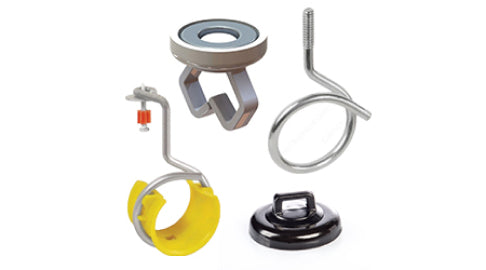
When building an entire cable tray system just isn't practical, opt for one of our more flexible cable support solutions. Loops, saddles, bridle rings (both bare metal and PVC coated) and J hooks - just to name a few - provide key support in the areas you need it most. Cable support solutions keep your wires and cables suspende
Cable Bundlers
Maintain organization and keep cable bundles neat and untangled with our cable bundle organizational tools. They're especially helpful when dealing with extra-long bundles!
Cord Reels & Winders
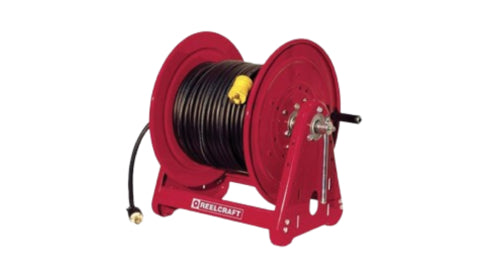
Keep your extension and power cords under control with our cord reels and winders. We stock a variety of options from top brands like ReelCraft® and Rack-A-Tiers® , so whether you need a heavy-duty winder that can handle thousands of feet of industrial cable or a small retractable cord reel for personal use, you'll be abl
Choosing a selection results in a full page refresh.








 Skip to content