Skip to content

How to Strip Paint with a Heat Gun Safely. A Step-by-Step Guide.
By: CableOrganizer®
 Removing old paint can be time-consuming, especially when dealing with thick, layered finishes. A heat gun can make paint removal faster by softening the paint so it can be scraped away more easily. Whether you are restoring furniture, trim, doors, or metal surfaces, learning how to use a heat gun properly can help you achieve cleaner results while reducing the need for harsh chemical paint strippers.
WHEN TO USE A HEAT GUN FOR PAIN REMOVAL:
Heat guns are useful for removing paint that is thick, layered, or difficult to scrape by hand. They work especially well on old oil-based paints, undercoats, and gloss finishes by softening the coating into a pliable consistency that can be lifted with a scraper. Heat gun paint stripping is also effective on wood and metal surfaces, including furniture, doors, baseboards, trim, and other detailed areas. For many DIY paint removal projects, a heat gun can be a useful alternative to strong chemical strippers, especially when proper ventilation and safety precautions are used.
HEAT GUN SAFETY TIPS:
Beware of lead paint:
If your home was built before 1978, the paint may be lead-based. High heat can create dangerous fumes and dust, so test the surface first and follow lead-safe work practices. When in doubt, contact a certified professional before disturbing old paint.
Wear proper protection:
Wear heat-resistant gloves, safety glasses, and a suitable respirator when working with old paint. Long sleeves and protective clothing can also help reduce exposure to paint chips and debris.
Avoid scorching:
Never hold the heat gun in one spot for too long, or you may burn the wood or damage the surface underneath.
Practice hot surface awareness:
Always rest your hot heat gun on its integrated stand on a fireproof surface. Never place it directly on a wooden workbench or near flammable materials.
Use attachments:
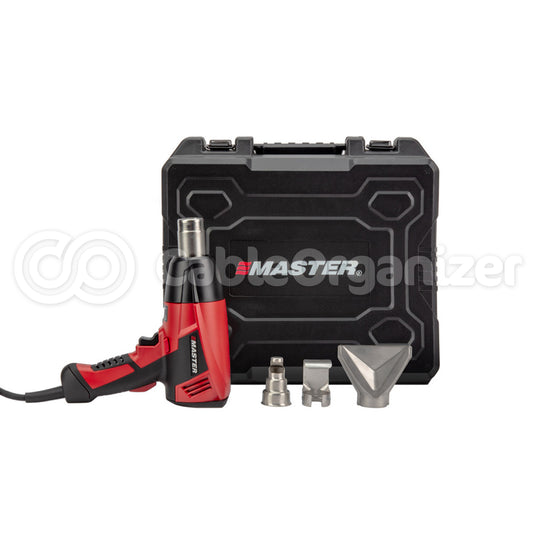
Use flat nozzle attachments to spread heat more evenly, reduce heat concentration, and protect nearby surfaces.
Use caution around glass:
If you are removing paint around a window, avoid overheating the glass. If your heat gun has multiple temperature settings, use a lower setting and keep the tool moving.
HOW TO STRIP PAINT WITH A HEAT GUN:
1. Prepare your space:
Set up in a well-ventilated area, preferably outdoors. Lay down a drop cloth to catch paint flakes and keep your work area clean.
2. Set the Temperature:
Start on a low-to-medium heat setting, usually between 500°F and 750°F. Avoid excessive heat, which can scorch wood or increase the risk of hazardous fumes from old paint.
3. Apply the heat:
Hold the heat gun about 2 to 3 inches from the painted surface. Move it continuously in a slow, sweeping motion until the paint begins to bubble and soften.
4. Scrape methodically
Once the paint softens, set the heat gun down safely or turn it off. Place a sharp scraper just behind the bubbling paint and gently push or pull the softened paint away from the surface.
5. Clean the scraper
Keep a hard, heat-safe surface nearby, such as a metal tin, to remove hot paint buildup from your scraper as you work.
6. Sand for a smooth finish
Once the surface has completely cooled, lightly sand it to remove remaining paint flecks and prepare it for primer, stain, or a fresh coat of paint.
Using a heat gun to strip paint can be an efficient and effective paint removal method when done with care. By working slowly, keeping the tool moving, wearing the right safety equipment, and preparing the surface afterward, you can remove old paint while protecting the material underneath. Always pay close attention to fire risks, ventilation, and the possibility of lead paint before beginning any paint removal project.